Benefits of Eco-Friendly Materials in Design
In today’s world, the integration of eco-friendly materials in design is no longer just an option but a
necessity. This transformation not only supports environmental conservation but also offers a myriad of
benefits ranging from reducing carbon footprints to promoting better health. In this article, we explore how
eco-friendly materials are becoming the backbone of sustainable design, their impact on industry trends, their
role in improving indoor environments, and their significance in the eyes of the modern consumer. By the end,
you’ll gain a deeper insight into how these materials can transform not only our spaces but also our planet.
Get a feel for our carpets
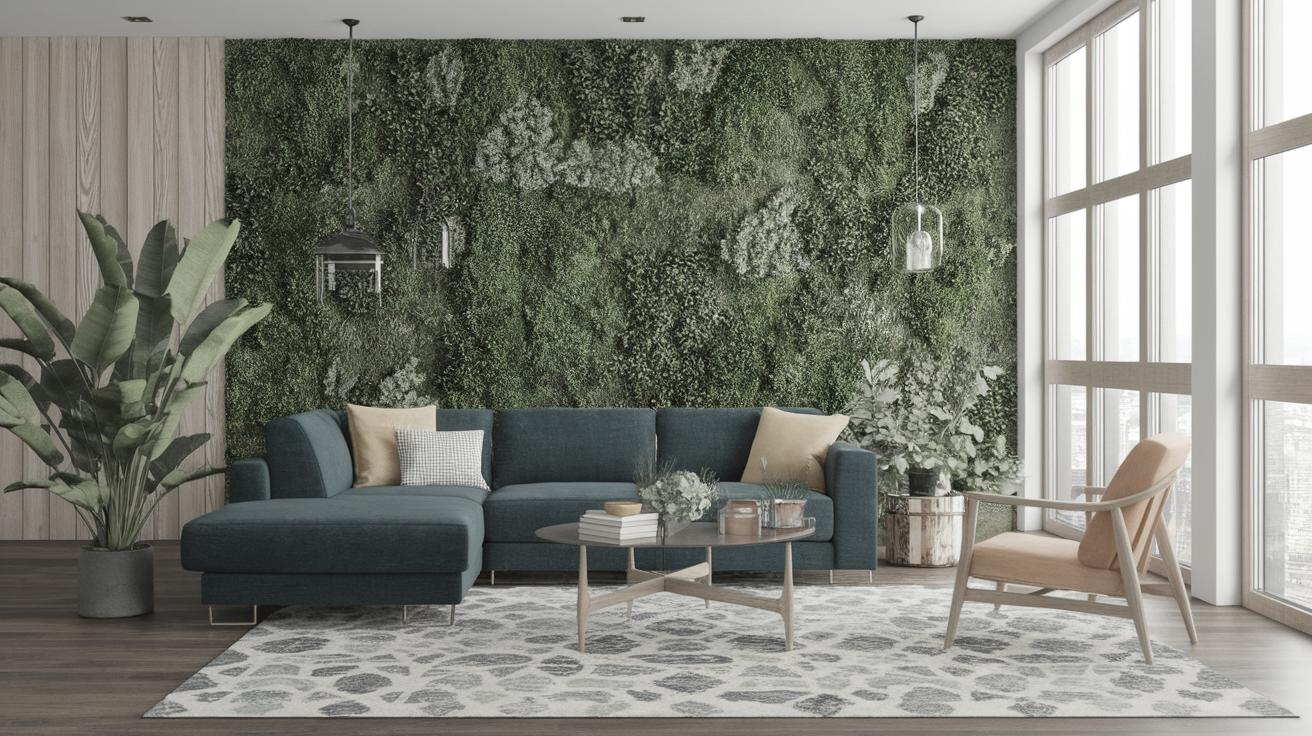
Carpets crafted from eco-friendly materials offer a multitude of advantages, both aesthetic and functional. Made
from natural fibers such as wool, hemp or recycled materials, these carpets reduce the dependency on synthetic
materials which often come with a high environmental cost. Sustainable carpets contribute to a healthier indoor
air quality by minimizing the release of volatile organic compounds (VOCs) associated with some traditional
flooring options.
Beyond their ecological benefits, these carpets are often more durable and can be designed with a wide range of
textures and colors that match diverse interior styles. Investing in eco-friendly carpets not only signifies a
commitment to sustainability but also offers consumers a high-quality product that stands the test of time.
Get news and insights
1
The dynamic nature of design means that staying informed about the latest advancements in eco-friendly materials
is essential. With increasing consumer demand for sustainability, industries are continuously innovating to
create materials that are not only environmentally benign but also economically viable. One significant trend is
the development of biodegradable materials that seamlessly integrate into natural cycles, reducing waste.
Subscribing to design industry newsletters and participating in seminars can arm you with the necessary
knowledge to remain at the forefront of sustainable design. This proactive approach allows designers and
consumers alike to make informed decisions, facilitating a market shift towards greener alternatives.
2
Eco-friendly materials in design encourage responsible resource use, paving the way for sustainable product lifecycles. For instance, materials like bamboo and cork are not only renewable but also possess qualities such as strength and flexibility, making them ideal choices for furniture and flooring.
Harnessing these resources empowers designers to present options that not just look aesthetically pleasing but also resonate with a growing segment of environmentally conscious consumers. Thus, these materials play a pivotal role in closing the loop of production, leading to a reduced environmental footprint.
3
The shift towards eco-friendly materials also fosters innovation within the design industry. It challenges designers to think creatively and devise solutions that serve practical purposes while adhering to sustainable principles. This shift has seen industries exploring a range of novel materials, such as mushroom leather or algae-based textiles.
This continuous innovation cycle promotes an atmosphere where experimentation leads to breakthroughs, making sustainable design not just a responsible choice but also a source of inspiration and excitement. Designers are now more motivated than ever to explore and adopt eco-centric practices.
4
Another significant advantage of eco-friendly materials in design lies in their direct contribution to health and wellness. By reducing exposure to harmful chemicals and carcinogens commonly found in traditional building materials, they help create healthier living and working environments.
Eco-friendly options often include features such as natural insulation and breathability, which enhance indoor air quality and regulate temperature efficiently. Health-focused design choices demonstrate that sustainability and human health go hand in hand, fostering environments where individuals thrive.
5
The environmental implications of opting for eco-friendly materials extend beyond construction. By supporting sustainable practices, companies can significantly reduce their carbon footprint and contribute to broader environmental goals. This approach visibly reflects responsible stewardship of our planet’s resources.
Moreover, this commitment can enhance a company’s reputation and credibility in the market. Consumers today are more inclined to support brands and businesses that align with their values, and sustainability is high on the list of priorities. Consequently, eco-friendly materials represent a central component of a brand’s environmental and social governance strategy.
6
The financial benefits of using eco-friendly materials are worth noting. Although the initial cost of green materials may sometimes be higher, the long-term savings derived from energy efficiency and durability often outweigh these initial expenditures. The lifecycle cost advantages provide consumers with an economic incentive to choose sustainable products.
Furthermore, as demand for these materials grows, their market prices are anticipated to decrease, making them more accessible to a broader audience. This market expansion helps scale sustainable practices across industries and demographics.
7
Finally, the societal implications of adopting eco-friendly materials in design are profound. They empower communities through increased awareness of sustainable living practices, advocating for broader systemic changes. This awareness leads consumers to demand accountability and transparency in materials sourcing and production processes.
As more individuals and organizations adopt environmentally friendly materials, societal norms begin to shift toward a more responsible and sustainable future. Thus, using these materials in design not only benefits the immediate environment but also serves as a catalyst for global change in the realm of sustainability.
Rate this article
Your opinion matters to us! Please rate how helpful you found this exploration of eco-friendly materials in design by clicking on the rating bar below.
Thanks for your feedback
We appreciate your input and are committed to providing you with valuable content. Don’t hesitate to reach out with any further comments or questions!
Tell us more
We are eager to learn more about your thoughts on eco-friendly materials in design. If you have any personal experiences or insights you’d like to share, please feel free to reach out through our contact form.
More articles on Sustainable Design
Explore a wealth of information on sustainable design by browsing through more of our articles. From innovative materials to case studies on successful sustainable projects, you’ll find a treasure trove of insights.
Are you sure you want to delete your contribution?
If you wish to remove your contribution, please confirm. We value all inputs that help us enhance our conversations on sustainability.
Are you sure you want to delete your reply?
Please confirm if you wish to delete your reply. We appreciate thoughtful dialogue and thank you for your engagement.
Summary of main points
| Key Points | Details |
|---|---|
| Material Base | Eco-friendly carpets made from natural fibers reduce VOCs and improve durability. |
| Industry News | Innovation in biodegradable materials and responsible sourcing trends. |
| Sustainability Benefits | Renewable resources like bamboo reduce environmental impact. |
| Innovative Design | Novel materials encourage creative and practical eco-centric designs. |
| Health Impacts | Eco-friendly materials promote healthier indoor environments. |
| Environmental Impact | Use of these materials reduces carbon footprint and enhances brand reputation. |
| Financial Benefits | Long-term savings from energy efficiency and material durability. |
| Societal Impact | Increased awareness and systemic changes in sustainability perspectives. |